Heel Pain: The Common Cold of the Foot
Heel Pain: The Common Cold of the Foot
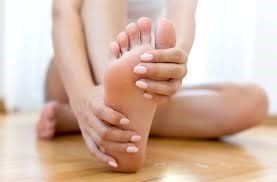
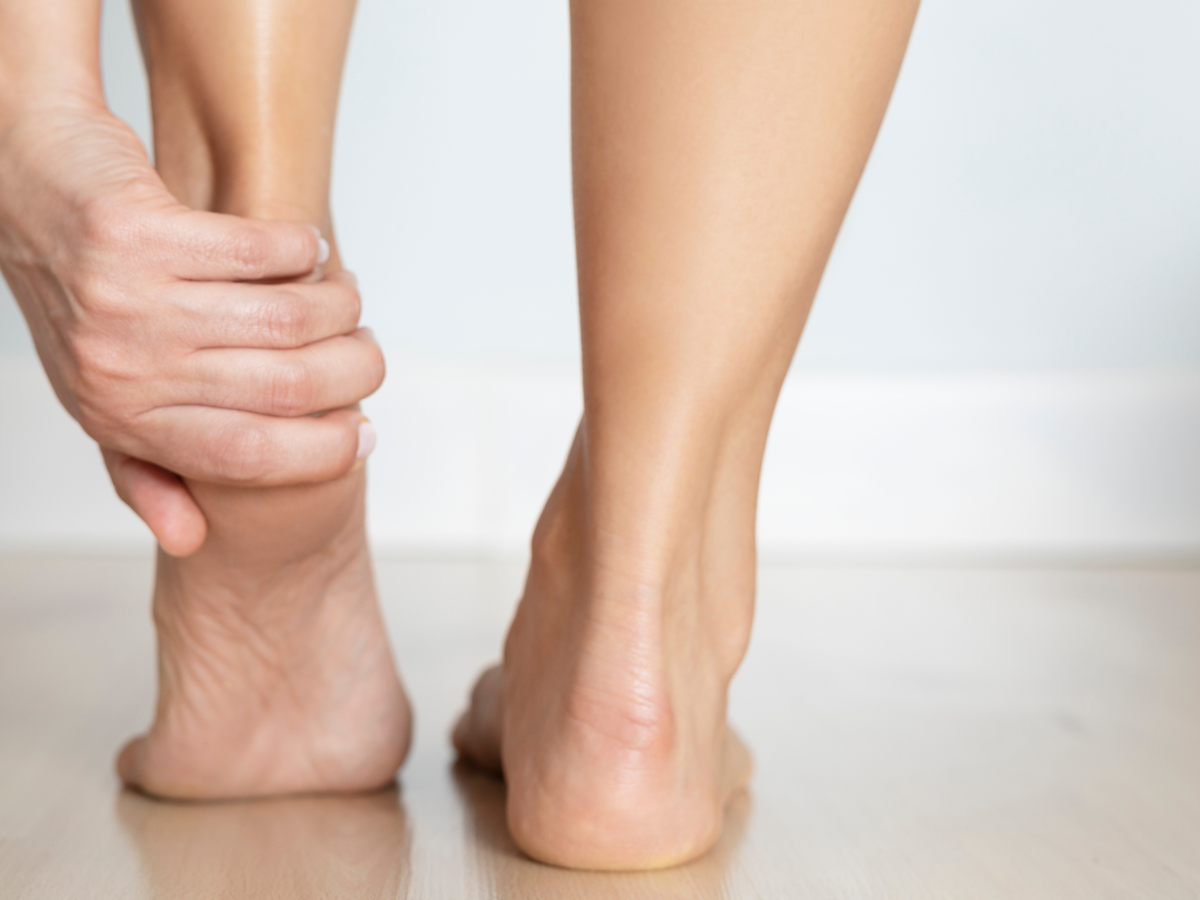
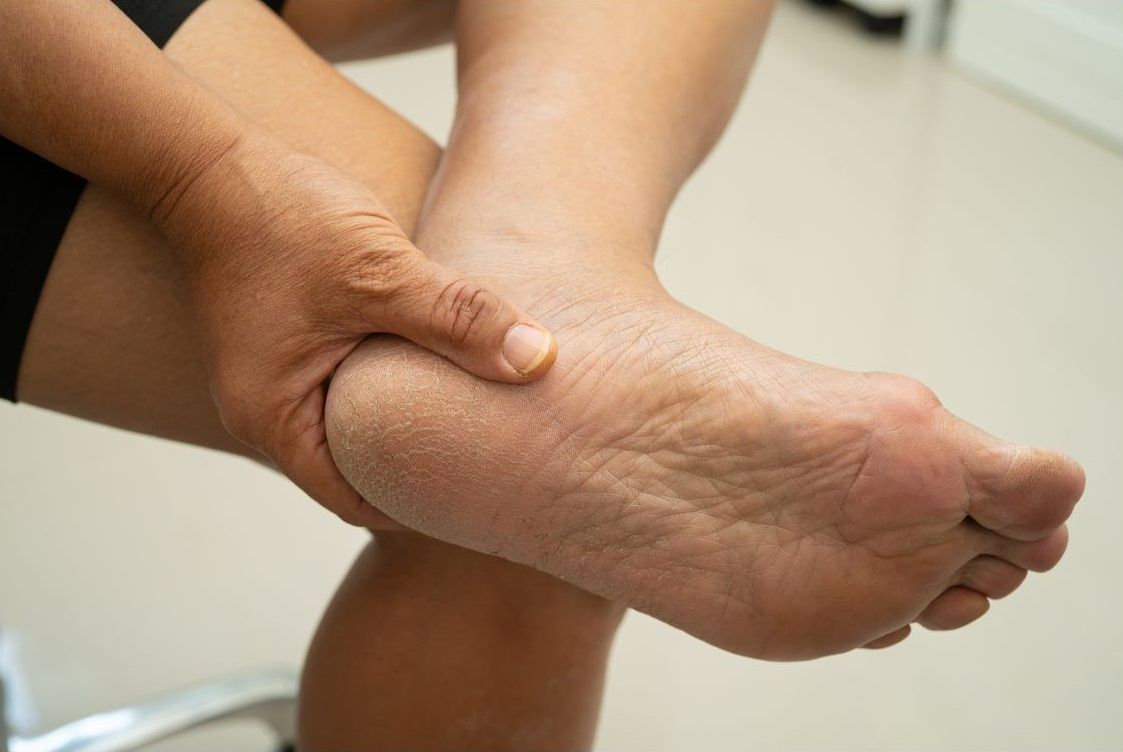
If you’ve ever had heel pain, you’ll know how quickly it can take over your day. Getting out of bed, walking the dog, standing at work - it all suddenly feels harder. The truth is, heel pain is incredibly common. In fact, we often call it “the common cold of the foot” because so many people experience it at some point. So what’s actually going on?
What is a heel spur?
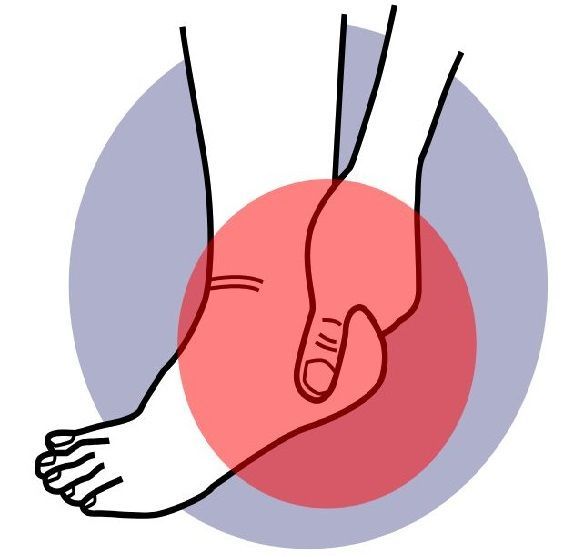
A heel spur is a small bony growth that forms where tissue attaches to your heel bone. They can develop underneath the heel (linked to the plantar fascia), or at the back of the heel (where the Achilles tendon attaches). Despite the name, the spur itself isn’t always the main problem. The real issue is usually the tissue attached to it.
The real cause of the pain
Under your foot is a thick band of tissue called the plantar fascia. At the back of your heel is the Achilles tendon. These structures work hard every day - absorbing load, supporting your arch, and helping you move.
Over time, with factors like increased activity, poor footwear, tight calf muscles, foot posture (flat feet or high arches), these tissues can become overloaded and irritated.
Your body responds by trying to “reinforce” the area, which can lead to thickening of the tissue - and sometimes the formation of a heel spur.
That’s why the pain often feels sharp with the first steps in the morning, worse after rest, and achy after long periods on your feet. The good news: most cases improve without surgery.
We always start with non-surgical treatment, and for most people, this works very well. This may include supportive footwear, orthoses (shoe inserts) to improve mechanical support and efficiency of function, stretching programs (especially for the calves), load management (adjusting activity levels), and shockwave therapy or other in-clinic treatments
These approaches aim to reduce strain on the tissue and allow it to heal.
When is surgery considered?
Sometimes, despite doing all the right things, the pain just doesn’t settle. If your symptoms have been ongoing for several months, you’ve tried appropriate conservative care, your quality of life is being affected, or you’re starting to avoid activities you enjoy, then surgery may be an option worth discussing.
Surgical treatment focuses on addressing the underlying problem by:
- Reducing or removing a portion of the thickened plantar fascia or Achilles tendon
- Removing or smoothing the heel spur
- Relieving tension and irritation in the area
The goal is to get you back to moving comfortably again.
Don’t ignore heel pain
Heel pain rarely just “goes away” on its own if it’s been hanging around for a while and can cause you to walk in a compensated fashion and result in other secondary issues like hip, back and knee pain. The earlier you address it, the easier it is to manage.
If your heel pain is sticking around or starting to impact your day-to-day life, come in and see one of our friendly podiatrists at
Junction Foot and Ankle Group. We’ll help you get to the bottom of it - and get you back on your feet. If you’ve already had podiatry treatment and it has been unsuccessful, it might be worth coming in to see one of our
Surgical Podiatrists.
Call us on 9250 1676 or head to our
website to book online.