Plantar Heel Pain and Tarsal Tunnel Syndrome: What's Really Going On

Not Just Plantar Heel Pain
The long Perth summer goes hand in hand with wearing thongs and being down at the beach. It’s important to be mindful that this extended period in unsupportive shoes can exacerbate underlying or existing issues in the plantar fascia (band beneath the arch of the foot), or trigger new symptoms in the arch and heel.
You might have heard about plantar fasciitis, which is quite common and can be a real pain in the heel (literally), but did you know that there's more to heel pain than just that?
Let's talk about it.
Plantar Heel Pain 101
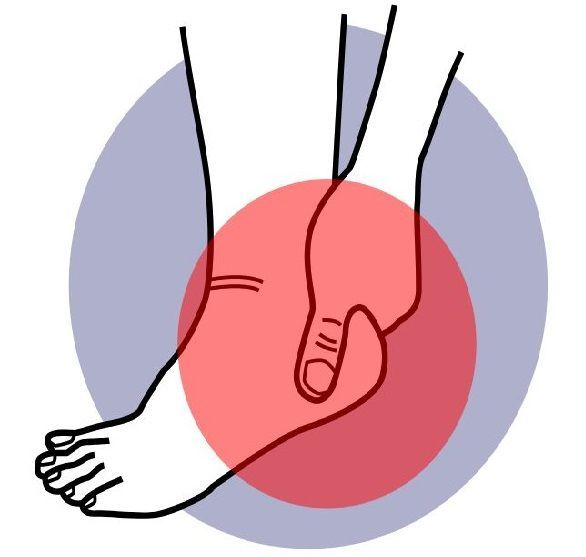
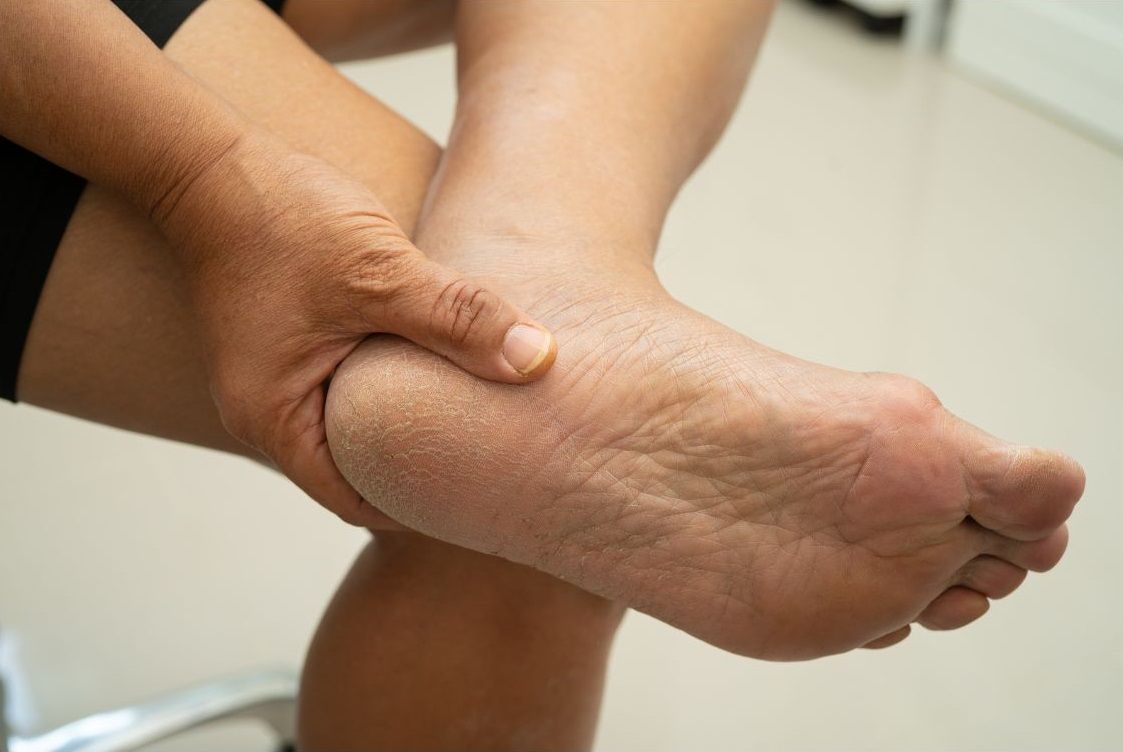
Plantar heel pain is any kind of discomfort or ache you feel in your heel area. While plantar fasciitis is a common cause, there are other culprits too. One of them is something called tarsal tunnel syndrome.
Tarsal Tunnel Syndrome: A Sneaky Troublemaker
Tarsal tunnel syndrome is similar to carpal tunnel syndrome, which occurs in the wrist. Imagine a tunnel in your foot where important nerves and blood vessels pass through. If that tunnel gets squeezed or compressed, you've got yourself tarsal tunnel syndrome. It can feel a lot like plantar fasciitis, but it's a whole different ball game.
With tarsal tunnel syndrome, you might experience tingling, burning, or shooting pains that travel from your heel down to your toes or in the other direction too. Sometimes it can feel like electric shocks zapping your foot.
What’s Going on Inside?
So, why does this happen? There are a few common possibilities. It could be due to an unusual foot structure or an injury or past trauma, like a sprained ankle. Other times it’s caused by pressure from blood vessels or other soft tissue structures in the area. And sometimes it's just bad luck and your nerves get irritated for no apparent reason.
Treatment Options: Finding Relief
Okay, enough with the doom and gloom. Let's talk about what we can do to ease the pain. For starters, there are some simple tricks you can try at home:
- Rest: Give your feet a break. Avoid activities that make the pain worse.
- Ice: Apply an ice pack to your heel for about 15 minutes a few times a day to reduce inflammation, or roll your foot on a frozen water bottle to give the effect of ice massage.
- Stretching: Gentle stretches of the calf and foot can help loosen up tight muscles and ease tension.
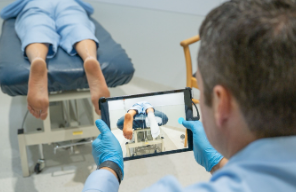
If these DIY remedies aren't cutting it, it might be time to see a healthcare professional. Our podiatrists can assess you and may recommend:
- Medical Imaging: Diagnosis is key in achieving optimal results.
- Orthotics: Custom-made shoe inserts can provide extra support and cushioning for your feet.
- Physiotherapy: Working with a physio can help strengthen your muscles and improve your range of motion.
- Medication: Pain relievers or anti-inflammatories might offer some relief.
- Shockwave Therapy: High-energy acoustic waves are delivered into the tissue to stimulate healing. Our podiatrists have great results.
- Injection Therapy: such as guided corticosteroids or PRP (platelet-rich plasma)
Surgical Option: Last Resort
Surgery to decompress (relieve tension in the tarsal tunnel) is usually the last resort when all other treatment options have been unsuccessful. If your symptoms are severe and impacting your daily life, our Podiatric Surgeons Julie Taranto or Michael Taranto may recommend surgical decompression of the tarsal tunnel. It sounds scary, but it's often very effective in relieving pain and restoring function.
If you're struggling with heel pain, don't suffer in silence. Make an appointment with one of our
Podiatrists who can help you find relief.
Call us on 9250 1676 or head to our
website to book online. If you’ve already tried the non-surgical treatment options, it might be time to consult one of our Surgeons - visit our surgical website to book online.