Heel Pain: The Common Cold of the Foot

Heel Pain: The Common Cold of the Foot

What's the Fuss About Rafael Nadal's Foot? Understanding Müller-Weiss Syndrome

When tennis legend Rafael Nadal announced his retirement from the sport, many people were surprised to learn that one of the biggest challenges throughout his career wasn't an opponent—it was his left foot. 


Nadal has lived with a condition called Müller-Weiss Syndrome, a rare disorder affecting a small bone in the middle of the foot called the navicular bone. While most of us won't be playing Grand Slam tennis anytime soon, this condition is not limited to elite athletes and can affect everyday Australians too. 


What is Müller-Weiss Syndrome? 

Müller-Weiss Syndrome is a condition where the navicular bone gradually changes shape and can become damaged over time. This often leads to collapse of the arch, arthritis developing in nearby joints, and ongoing foot pain. 


Most people with the condition experience pain through the middle or inside of the foot, discomfort when walking or standing for long periods, a flattening of the arch, swelling around the middle part of the foot, and difficulty staying active due to foot pain. It’s a condition that is most commonly diagnosed in middle-aged adults and often develops gradually over many years. 


It's Not Just an Athlete's Problem 

Although Nadal's story has brought attention to Müller-Weiss Syndrome, you certainly don't need to be a professional athlete to experience it. In fact, many people first notice symptoms while doing everyday activities such as walking the dog, shopping, gardening, exercising, or spending long hours on their feet at work. And, because the symptoms can mimic arthritis, tendon problems, or general "wear and tear," the condition is sometimes overlooked without a proper assessment. 


Don’t ignore foot pain - it should never simply be accepted as part of getting older. The good news is that many people can successfully manage their symptoms without surgery. 


If you've been experiencing ongoing foot pain, changes in your arch shape, or discomfort that is limiting your activities, book an assessment with one of our podiatrists. Click here to book online, or phone us on (08) 9250 1676


Your feet carry you through life—it's worth making sure they're looked after properly. 

June 2, 2026
Heel Pain Sideline Your Young Athlete? It Could Be Sever’s Disease Football boots are back on, netball courts are buzzing, and kids all over Perth are sprinting, jumping and training again. But if your child has started complaining of sore heels after sport, there’s a good chance it could be Sever’s disease - one of the most common causes of heel pain in active kids. Despite the scary name, Sever’s disease isn’t actually a disease at all. It’s a growth-related heel pain that happens when the growth plate at the back of the heel becomes irritated. It’s especially common in sporty kids aged around 8-15 years during growth spurts. Running and jumping sports like AFL, soccer, basketball and netball are common triggers. What does it feel like? Parents often notice their child limping after sport, complaining of sore heels after training or games, walking on tiptoes, saying their heels hurt when squeezed, or suddenly losing enthusiasm for sport they usually love. Why does it happen? As kids grow, their bones can grow faster than their muscles and tendons can keep up. Tight calf muscles and repeated pulling from the Achilles tendon can place stress on the heel growth plate. Hard playing surfaces, flat feet, hypermobility, poor footwear and busy sports schedules can all add fuel to the fire. The good news! Sever’s disease is very treatable and doesn’t cause long-term damage. The aim is to calm the irritation down while keeping kids as active and comfortable as possible. Simple things that can help Supportive footwear (avoid flimsy shoes and barefoot walking), ice after sport, calf stretches, reducing training loads temporarily, heel raises or cushioning inserts, and custom orthotics in some cases. The earlier it’s treated, the quicker kids can usually get back to doing what they love. When should you see a podiatrist? If heel pain is lingering for more than a couple of weeks, causing limping, or stopping your child from participating in sport, it’s worth getting assessed. Sometimes heel pain in kids can mimic other conditions, so an accurate diagnosis is important. At Junction Foot & Ankle Group, our podiatrists regularly help young athletes manage Sever’s disease with tailored treatment plans to keep them moving comfortably throughout the sporting season. If your child is struggling with heel pain this season, book an appointment with one of our friendly podiatrists today. Call us on 9250 1676 or head to our website to book online.
May 5, 2026
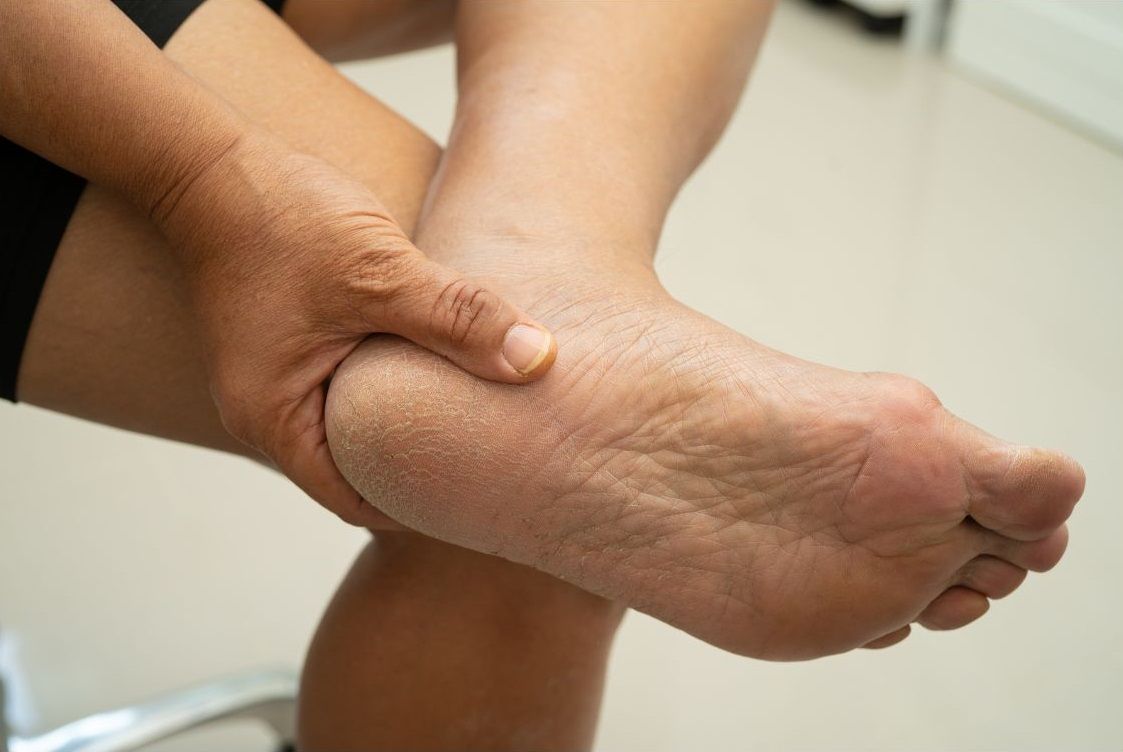
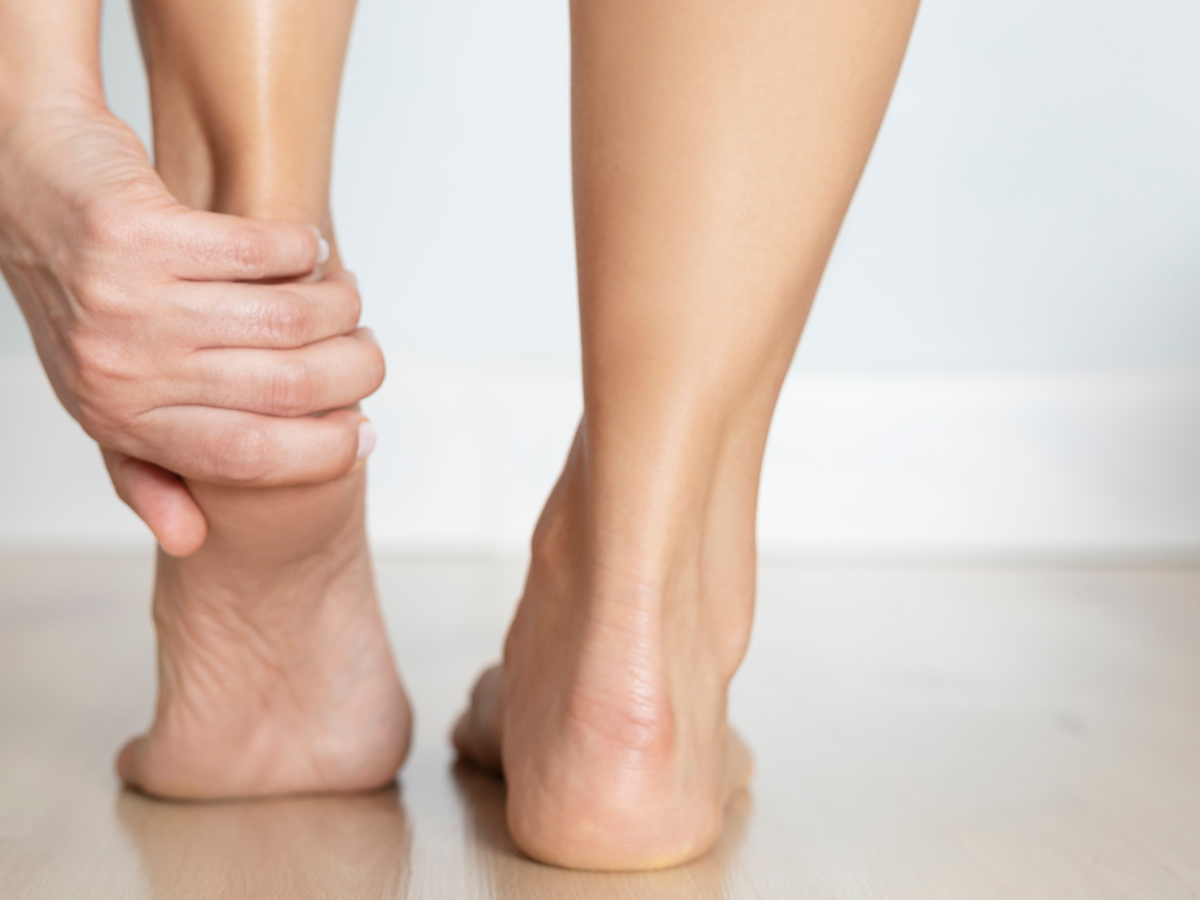
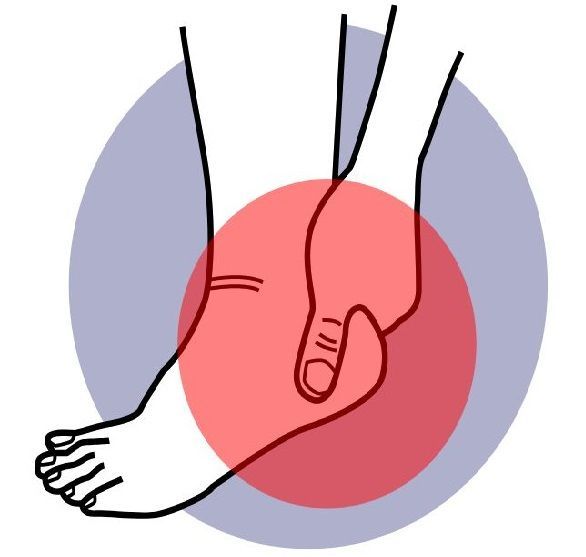
Heel Pain: The Common Cold of the Foot If you’ve ever had heel pain, you’ll know how quickly it can take over your day. Getting out of bed, walking the dog, standing at work - it all suddenly feels harder. The truth is, heel pain is incredibly common. In fact, we often call it “the common cold of the foot” because so many people experience it at some point. So what’s actually going on? What is a heel spur? A heel spur is a small bony growth that forms where tissue attaches to your heel bone. They can develop underneath the heel (linked to the plantar fascia), or at the back of the heel (where the Achilles tendon attaches). Despite the name, the spur itself isn’t always the main problem. The real issue is usually the tissue attached to it. The real cause of the pain Under your foot is a thick band of tissue called the plantar fascia. At the back of your heel is the Achilles tendon. These structures work hard every day - absorbing load, supporting your arch, and helping you move. Over time, with factors like increased activity, poor footwear, tight calf muscles, foot posture (flat feet or high arches), these tissues can become overloaded and irritated. Your body responds by trying to “reinforce” the area, which can lead to thickening of the tissue - and sometimes the formation of a heel spur. That’s why the pain often feels sharp with the first steps in the morning, worse after rest, and achy after long periods on your feet. The good news: most cases improve without surgery. We always start with non-surgical treatment, and for most people, this works very well. This may include supportive footwear, orthoses (shoe inserts) to improve mechanical support and efficiency of function, stretching programs (especially for the calves), load management (adjusting activity levels), and shockwave therapy or other in-clinic treatments These approaches aim to reduce strain on the tissue and allow it to heal. When is surgery considered? Sometimes, despite doing all the right things, the pain just doesn’t settle. If your symptoms have been ongoing for several months, you’ve tried appropriate conservative care, your quality of life is being affected, or you’re starting to avoid activities you enjoy, then surgery may be an option worth discussing. Surgical treatment focuses on addressing the underlying problem by: - Reducing or removing a portion of the thickened plantar fascia or Achilles tendon - Removing or smoothing the heel spur - Relieving tension and irritation in the area The goal is to get you back to moving comfortably again. Don’t ignore heel pain Heel pain rarely just “goes away” on its own if it’s been hanging around for a while and can cause you to walk in a compensated fashion and result in other secondary issues like hip, back and knee pain. The earlier you address it, the easier it is to manage. If your heel pain is sticking around or starting to impact your day-to-day life, come in and see one of our friendly podiatrists at Junction Foot and Ankle Group . We’ll help you get to the bottom of it - and get you back on your feet. If you’ve already had podiatry treatment and it has been unsuccessful, it might be worth coming in to see one of our Surgical Podiatrists . Call us on 9250 1676 or head to our website to book online.
April 7, 2026
Footy Season is Back – Are Your Boots Up to the Task? With AFL and soccer season kicking off, now’s the perfect time to make sure your boots are doing your feet (and your body) a favour, not causing problems. Choosing the right footy boot isn’t just about style or brand. The right fit and features can help prevent common issues like heel pain, shin pain, ankle injuries, and forefoot soreness, especially as training intensity ramps up. What should you look for in a good footy boot? Heel-to-toe gradient (pitch): A slight lift from heel to toe can reduce strain on the calves and Achilles, particularly helpful if you’re prone to tightness or injury. Firm heel counter (heel cup): A deep, supportive heel cup helps stabilise your foot and control movement inside the boot, improving balance and reducing injury risk. Midfoot support: Look for a boot that feels secure through the arch, not too flimsy. This helps with control and reduces fatigue during games. Room for orthotics: If you wear foot orthoses, make sure the boot has a removable insole and enough depth to comfortably accommodate them without feeling tight. With newer techniques in orthotic prescription, our podiatrists are experts in designing and fitting low-profile devices for your boots. Stud configuration: Different sports and surfaces require different stud patterns. Proper grip reduces slipping but also helps avoid excessive pressure on certain parts of the foot. Correct fit: Snug but not tight. Your toes shouldn’t be crammed, and your heel shouldn’t lift when you move. A quick tip: Don’t wait until round one to break in new boots - wear them during training first to avoid blisters and discomfort. Not sure what’s right for you? Every foot is different, and factors like foot shape, biomechanics, previous injuries, and training load all play a role in choosing the right footwear. Come and see one of our friendly podiatrists at Junction Foot & Ankle Group. We can assess your foot type and function, look at your biomechanics, and help guide you on the best boot for your needs - or manage any lower limb pain or injuries that pop up during pre-season. If you have already purchased your boots, please bring them with you to your appointment, and if you have not, perhaps wait until you have some advice from us. Let’s keep you moving comfortably all season long! Call us on 9250 1676 or head to our website to book online.
March 3, 2026
Not Just Plantar Heel Pain The long Perth summer goes hand in hand with wearing thongs and being down at the beach. It’s important to be mindful that this extended period in unsupportive shoes can exacerbate underlying or existing issues in the plantar fascia (band beneath the arch of the foot), or trigger new symptoms in the arch and heel. You might have heard about plantar fasciitis, which is quite common and can be a real pain in the heel (literally), but did you know that there's more to heel pain than just that? Let's talk about it. Plantar Heel Pain 101 Plantar heel pain is any kind of discomfort or ache you feel in your heel area. While plantar fasciitis is a common cause, there are other culprits too. One of them is something called tarsal tunnel syndrome. Tarsal Tunnel Syndrome: A Sneaky Troublemaker Tarsal tunnel syndrome is similar to carpal tunnel syndrome, which occurs in the wrist. Imagine a tunnel in your foot where important nerves and blood vessels pass through. If that tunnel gets squeezed or compressed, you've got yourself tarsal tunnel syndrome. It can feel a lot like plantar fasciitis, but it's a whole different ball game. With tarsal tunnel syndrome, you might experience tingling, burning, or shooting pains that travel from your heel down to your toes or in the other direction too. Sometimes it can feel like electric shocks zapping your foot. What’s Going on Inside? So, why does this happen? There are a few common possibilities. It could be due to an unusual foot structure or an injury or past trauma, like a sprained ankle. Other times it’s caused by pressure from blood vessels or other soft tissue structures in the area. And sometimes it's just bad luck and your nerves get irritated for no apparent reason. Treatment Options: Finding Relief Okay, enough with the doom and gloom. Let's talk about what we can do to ease the pain. For starters, there are some simple tricks you can try at home: Rest: Give your feet a break. Avoid activities that make the pain worse. Ice: Apply an ice pack to your heel for about 15 minutes a few times a day to reduce inflammation, or roll your foot on a frozen water bottle to give the effect of ice massage. Stretching: Gentle stretches of the calf and foot can help loosen up tight muscles and ease tension. If these DIY remedies aren't cutting it, it might be time to see a healthcare professional. Our podiatrists can assess you and may recommend: Medical Imaging: Diagnosis is key in achieving optimal results. Orthotics: Custom-made shoe inserts can provide extra support and cushioning for your feet. Physiotherapy: Working with a physio can help strengthen your muscles and improve your range of motion. Medication: Pain relievers or anti-inflammatories might offer some relief. Shockwave Therapy: High-energy acoustic waves are delivered into the tissue to stimulate healing. Our podiatrists have great results. Injection Therapy: such as guided corticosteroids or PRP (platelet-rich plasma) Surgical Option: Last Resort Surgery to decompress (relieve tension in the tarsal tunnel) is usually the last resort when all other treatment options have been unsuccessful. If your symptoms are severe and impacting your daily life, our Podiatric Surgeons Julie Taranto or Michael Taranto may recommend surgical decompression of the tarsal tunnel. It sounds scary, but it's often very effective in relieving pain and restoring function. If you're struggling with heel pain, don't suffer in silence. Make an appointment with one of our Podiatrists who can help you find relief. Call us on 9250 1676 or head to our website to book online. If you’ve already tried the non-surgical treatment options, it might be time to consult one of our Surgeons - visit our surgical website to book online.
December 25, 2025
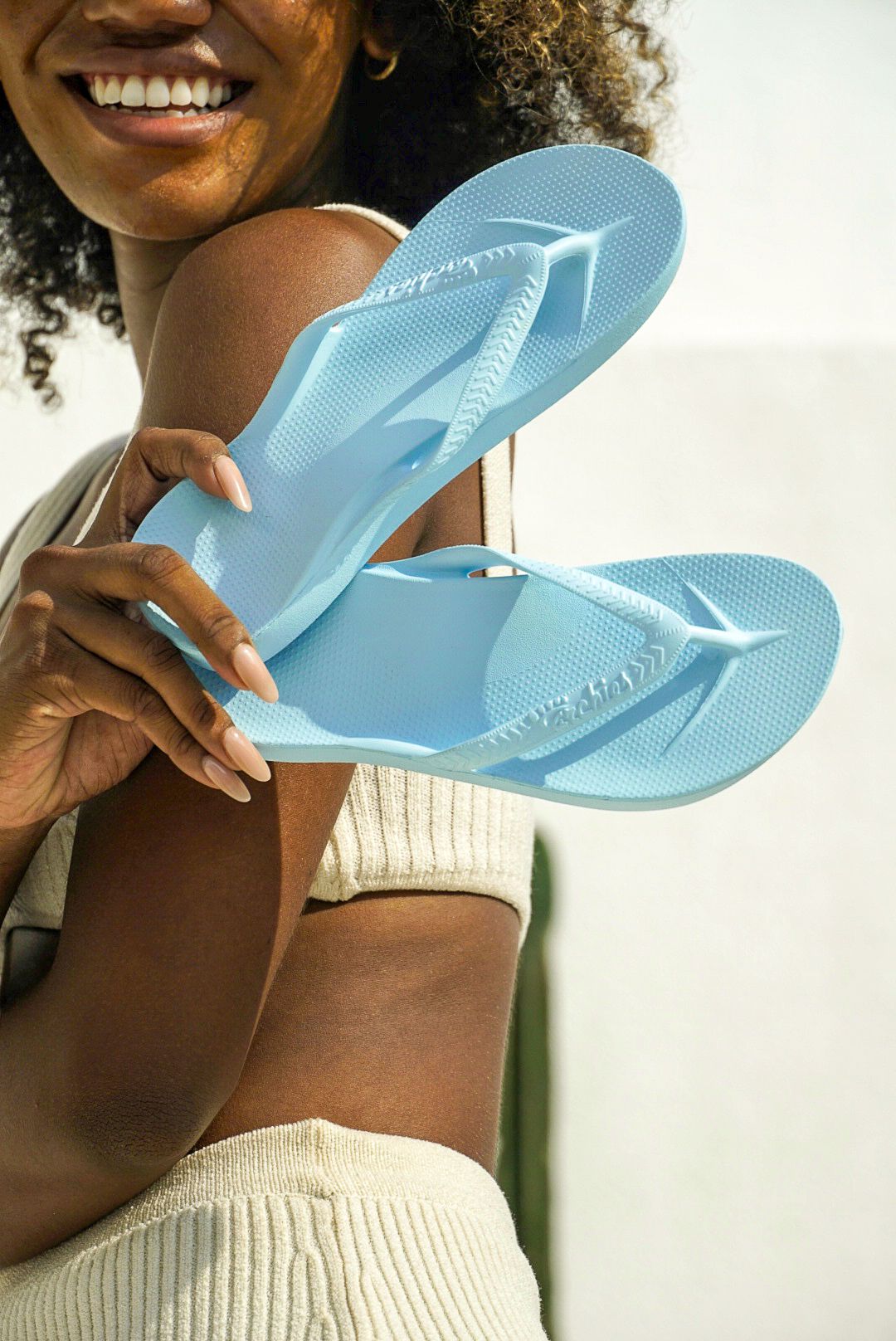
As the warm weather rolls in, it’s time to let your feet breathe again! But before you slip on your thongs or sandals, it’s worth giving your feet a little extra care and attention. Tackle Dry, Cracked Heels and Callouses Cracked heels and thickened callouses are one of the most common foot complaints we see in summer. They’re often caused by dry skin, open footwear, and long days on your feet. If left untreated, cracks can become painful (and even infected). Our podiatrists can gently and safely remove hard skin and help restore your heels to a smooth, comfortable condition — just in time for sandal season! Hydrate Your Skin Keeping your feet moisturised is one of the simplest ways to prevent dryness and cracking. We’ve hand-picked a range of high-quality foot creams available in-clinic — specially chosen for their deep hydration and non-greasy feel. Regular use can make a big difference to how your feet look and feel this summer. Slip Into Comfort When it comes to summer footwear, not all thongs and slides are created equal! We stock the Archies range of thongs and slides — designed by a physiotherapist with built-in arch support for all-day comfort. They’re a great choice for the beach, around the house, or anywhere you want a casual, supportive fit. Ready for Summer? We Can Help! Now’s the perfect time to give your feet some professional care. Whether you need cracked heel treatment, a callous tidy-up, or advice on the best products for your skin and footwear, our team at Junction Foot & Ankle Group is here to help. Book your summer foot care appointment today - your feet will thank you for it! You don’t need an appointment to purchase from our clinic but if you do need to see one of our team of Podiatrists at Junction Foot & Ankle Group , go ahead and give us a call on 9250 1676 or book online . As we draw closer to the Festive Season we’d like to thank you for your support of our clinic. We are truly grateful to all of you for your ongoing loyalty. We wish you and your family and friends a joyous Christmas and prosperous New Year. http://www.junctionfootandankle.com.au/ We are closing for Christmas a little earlier this year, so ring early if you need an appointment beforehand. We’ll be re-opening again on Monday 5th of January 2026.
By Asha Curry October 6, 2025
Is Your Toddler Walking on Their Toes? Here’s What You Need to Know If you’ve noticed your little one walking on their tiptoes more often than not, you’re not alone — toe walking is something we see fairly often in toddlers. And while it’s sometimes just a phase, it can also be part of a more complex picture that’s worth keeping an eye on. Toe walking can be linked to a variety of factors, from tight calf muscles to neurological or sensory issues. That’s why it’s so important to take a thorough and gentle approach to assessment and treatment. Every child is different, and there’s no one-size-fits-all solution. At our clinic, we offer a combination of therapies to get the best results. This can include: Carbon foot plates to help discourage toe walking Night splints to support a gentle stretch while your child sleeps Custom-made Turtle Braces – our favourite new tool and have been revolutionary in this space! These thermoplastic braces are soft, comfortable, and child-friendly. They're: Removable (no scary plaster saws here!) Easy to zip on and off Water-safe (yes, you can get them wet!) Designed to fit inside shoes This is a big upgrade from the old-school plaster casts — they’re more practical for busy families, and much easier for kids to tolerate. We also believe in teamwork, so we often work alongside physios to support your child from all angles. A big shout-out to Caitlyn and Kate at Midland Physio – they’re fantastic, and we’re lucky to collaborate with them both. If you’re concerned about your toddler’s toe walking, now’s a great time to book an assessment. Ask for Michael when you call – he’s our go-to for Turtle Braces and has lots of experience in fitting them. Our whole team is actively upskilling so more of us can offer these braces soon, but for now, Michael’s your guy. We're here to help – with a calm, friendly approach and treatment options that work for real families.
By Asha Curry June 13, 2025
Is Your Toddler Walking on Their Toes? Here’s What You Need to Know If you’ve noticed your little one walking on their tiptoes more often than not, you’re not alone — toe walking is something we see fairly often in toddlers. And while it’s sometimes just a phase, it can also be part of a more complex picture that’s worth keeping an eye on. Toe walking can be linked to a variety of factors, from tight calf muscles to neurological or sensory issues. That’s why it’s so important to take a thorough and gentle approach to assessment and treatment. Every child is different, and there’s no one-size-fits-all solution. At our clinic, we offer a combination of therapies to get the best results. This can include: Carbon foot plates to help discourage toe walking Night splints to support a gentle stretch while your child sleeps Custom-made Turtle Braces – our favourite new tool and have been revolutionary in this space! These thermoplastic braces are soft, comfortable, and child-friendly. They're: Removable (no scary plaster saws here!) Easy to zip on and off Water-safe (yes, you can get them wet!) Designed to fit inside shoes This is a big upgrade from the old-school plaster casts — they’re more practical for busy families, and much easier for kids to tolerate. We also believe in teamwork, so we often work alongside physios to support your child from all angles. A big shout-out to Caitlyn and Kate at Midland Physio – they’re fantastic, and we’re lucky to collaborate with them both. If you’re concerned about your toddler’s toe walking, now’s a great time to book an assessment. Ask for Michael when you call – he’s our go-to for Turtle Braces and has lots of experience in fitting them. Our whole team is actively upskilling so more of us can offer these braces soon, but for now, Michael’s your guy. We're here to help – with a calm, friendly approach and treatment options that work for real families.
By Asha Curry January 7, 2025
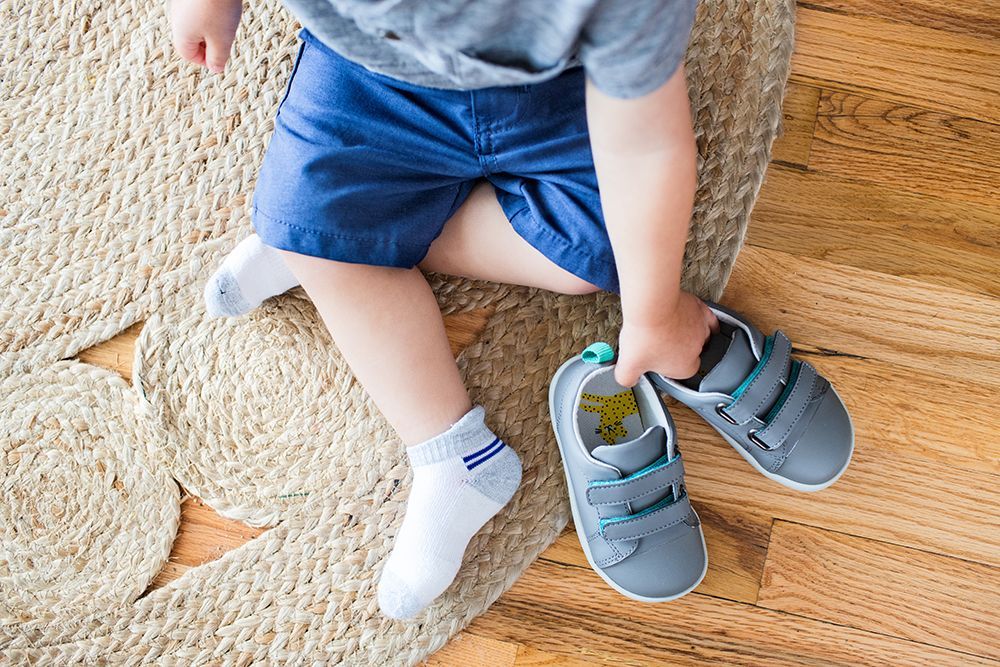
As the summer holidays wind down, it’s time to gear up for another school year. Along with sharpening pencils and packing lunchboxes, it’s important to ensure your child’s feet are ready for the term ahead. Ill-fitting shoes or unnoticed foot issues can lead to discomfort, poor posture, or even long-term problems. Back-to-School Footwear Checklist Here are some top tips to keep in mind when choosing school shoes for your kids: · Proper Fit is Key: Shoes that are too tight or too loose can lead to blisters, rubbing, or even hinder foot development. Always measure your child’s feet for length and width before purchasing. · Room to Grow – But Not Too Much!: While kids grow quickly, oversized shoes can cause instability and increase the risk of tripping. Aim for about a finger's width of space at the front of the shoe. · Support Matters: Look for shoes with a firm heel counter, a flexible forefoot, and a supportive arch. This combination helps prevent foot fatigue and supports healthy growth. If your child wears orthoses, make sure these can be fitted into any new shoes. · Breathable Materials: Children are active! Shoes made from breathable fabrics like leather or mesh will help keep their feet cool and comfortable throughout the day. · Durability: A quality sole that’s non-slip and durable is essential for playground adventures and classroom days alike. Children’s feet grow rapidly, and minor issues can escalate quickly if left unchecked. Conditions like flat feet, ingrown toenails, or uneven walking patterns often go unnoticed until they cause pain or discomfort. That’s why regular check-ups with a podiatrist are vital. At Junction Foot and Ankle Group, our team of experienced podiatrists can assess your child’s feet and provide tailored advice on footwear, activity modifications, and any potential treatment. If they need their orthoses checked, now is a good time to do that too, before you purchase new footwear for the school year. Give us a call at Junction Foot and Ankle Group on 9250 1676.
By Asha Curry December 3, 2024
Summer's here, and so are those beach days we all love. But before you slip into just any pair of thongs, let’s talk about what keeps your feet happy all season long! Thongs may feel like the ultimate choice for beach vibes and convenience, but if they lack the right support, they can actually lead to some pretty painful problems down the line. The Lowdown on Thong Support While thongs are perfect for those carefree moments, many don’t offer the support our feet actually need. Without supportive heel or ankle straps, our toes often end up gripping onto the thong as we walk. This toe-scrunching motion can create tension that travels from your feet to your neck—no fun! And for those with increased pronation (when feet roll inwards), poor support can mean extra stress on the feet, leading to issues like bunions and even plantar fasciitis. The solution? Look for thongs that offer arch support, like the range from Archies. These beauties not only look good but also come with proper arch support, heel elevation, and comfy materials in loads of colours and styles (even with a bit of bling)! Or if thongs are not really your thing, check out our range of Archies Slides. You are welcome to come in to grab a pair, even if you don’t have an appointment. They make great Christmas presents too! Keep Your Feet Summer-Ready While you’re slipping into those supportive thongs, don’t forget about the skin on your feet! Hot summer days can lead to dry, cracked heels if they’re not moisturised. Here are a few quick tips: Moisturise Regularly: Use a hydrating foot cream daily, focusing on your heels and any dry patches. Hydrate from Within: Staying hydrated makes a difference for your skin—drink plenty of water. Consider a Podiatry Check-up: Summer can be rough on our feet. A podiatry review can catch any issues early, so you can keep moving comfortably all season. Remember, happy feet make for a happier summer. With supportive thongs and a bit of skin TLC, you’ll be ready for all the fun in the sun! Our team of Podiatrists at Junction Foot and Ankle Group love these thongs and slides so much that we stock them at our clinic. Come in and grab a pair. If you need further foot advice, or treatment to get your feet ready for summer, like removing hard skin or dry cracked heels, come in and see us. Give us a call at Junction Foot and Ankle Group on 9250 1676
By Asha Curry September 4, 2024
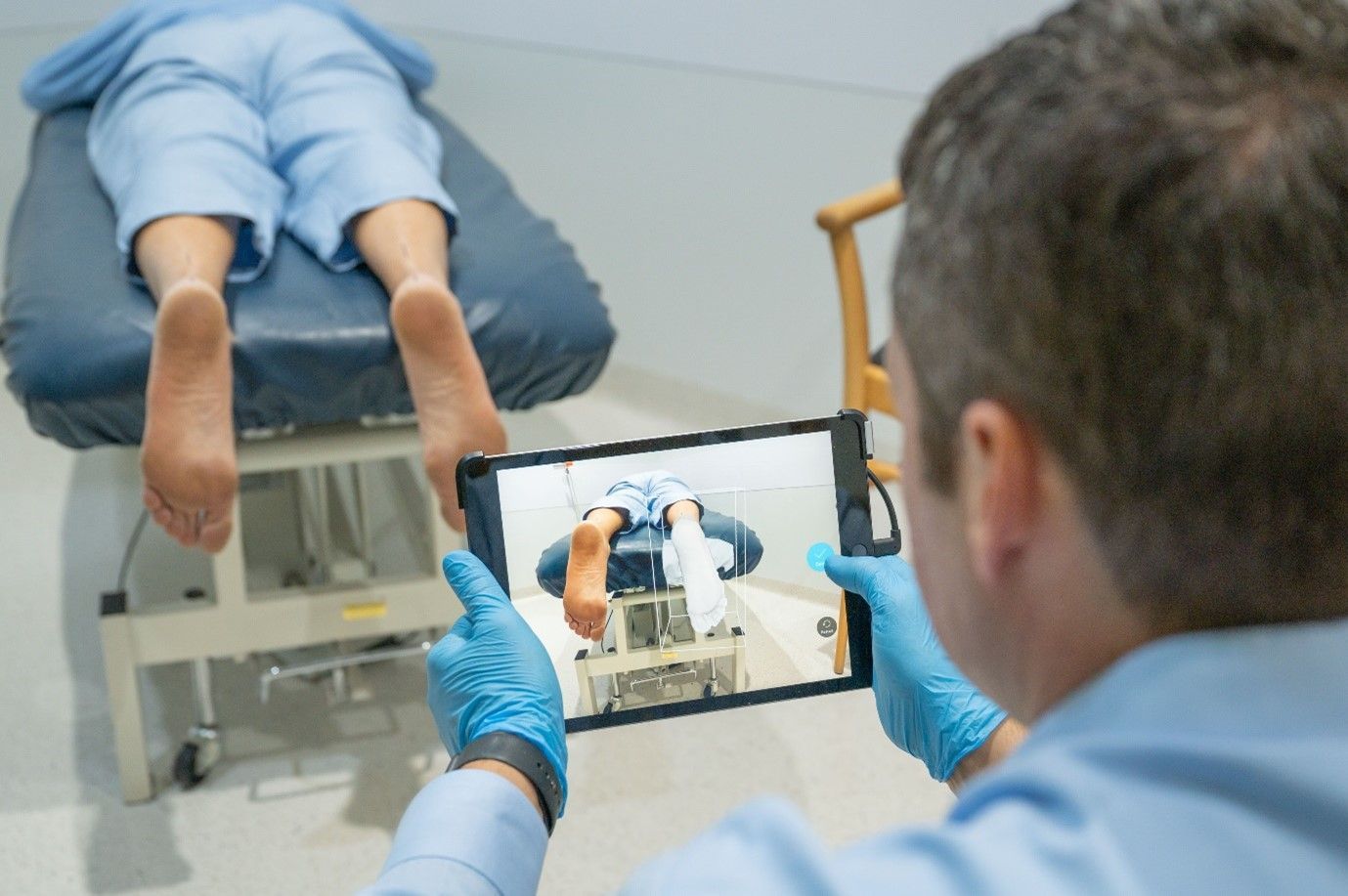
We’re so excited to share some fantastic news about the range of prescription orthotics we offer! Gone are the days when orthotic devices were one-size-fits-all, often bulky, hard and challenging to fit into your everyday footwear. At Junction Foot and Ankle Group, we understand that every foot is unique and that your orthotic solutions should be too. We offer a variety of custom orthotics that are tailored to meet your specific needs. Whether you need a pair for your running shoes, dress shoes, or even footy boots, we can create orthotics that fit perfectly. An innovative 'grind-fit' service allows us to fine-tune the size and shape of your orthotics so they slip effortlessly into most footwear, ensuring you don’t have to compromise on comfort or style.  We’re proud to incorporate the latest digital technology into our services. We use state-of-the-art 3D foot scanning technology which captures the exact shape and contours of your feet, enabling us to craft orthotics that provide optimal support and comfort. Whether you have a difficult-to-fit foot type or specific requirements, we can provide specialised devices designed just for you. As the winter season finals season kick off, we want to wish the best of luck to all teams! Remember, whether you’re on the field or supporting from the sidelines, your feet deserve the best care. Let us help keep you at the top of your game with our custom-fitted orthotics. We pride ourselves on being able to provide availability for our patients, with same-day appointments usually available. Make an appointment with one of our team today we look forward to helping you put your best foot forward!